There’s a new way of travelling that, in 2026, is becoming increasingly central: more flexible, more frequent, and better aligned with our everyday rhythms. It’s the return of the short break, a trend that is turning weekends and spring holidays into valuable opportunities to truly switch off.
It’s no longer about waiting for summer to take a break, but about learning to spread our free time throughout the year, creating small moments of escape. Spring, with its sense of renewal and a particularly favorable calendar, becomes the perfect time to set off.

This year, the calendar works in favor of those who want to get away without going too far. Between Easter, the May 1st bank holiday, and the June 2nd holiday, several ideal windows open up for planning short trips that combine simplicity with intensity.
This accessibility is exactly what makes the short break so effective: just a few well-planned days are enough to reset your pace, without the need for long holidays or complex planning. Travel fits naturally into everyday life, becoming an extension of leisure time rather than an exceptional event.
Short travel isn’t a scaled-down version of a traditional holiday, it’s a completely different way of experiencing it. The focus shifts from the number of places visited to the quality of the experience.
This is where the concept of the micro-adventure comes in: a few days dedicated to a specific passion, whether it’s food and wine, nature, or simply the pleasure of slowing down. These are more intimate, targeted experiences, often far from mass tourism routes.
In this context, there’s also a growing desire to rediscover nearby destinations, choosing accessible and authentic itineraries. Veneto, with its diverse landscapes and atmospheres, is perfectly suited to this kind of travel: a place where, in just a few hours, you can move from lagoon to hills, from art cities to nature trails.
At the heart of the short break’s success lies an increasingly widespread need: the need to recharge. In a world of fast-paced routines and constant connectivity, there’s a growing desire to create frequent pauses that restore energy and clarity.
Travel becomes a form of radical rest: an intentional break that prioritizes silence, wellbeing, and time for oneself. Even a weekend can turn into a moment of balance, especially when experienced in a setting that encourages relaxation and disconnection.
This is where experiences such as wellness retreats, nature walks, or simply slowing down come into play, making space for a lighter, more mindful way of living.
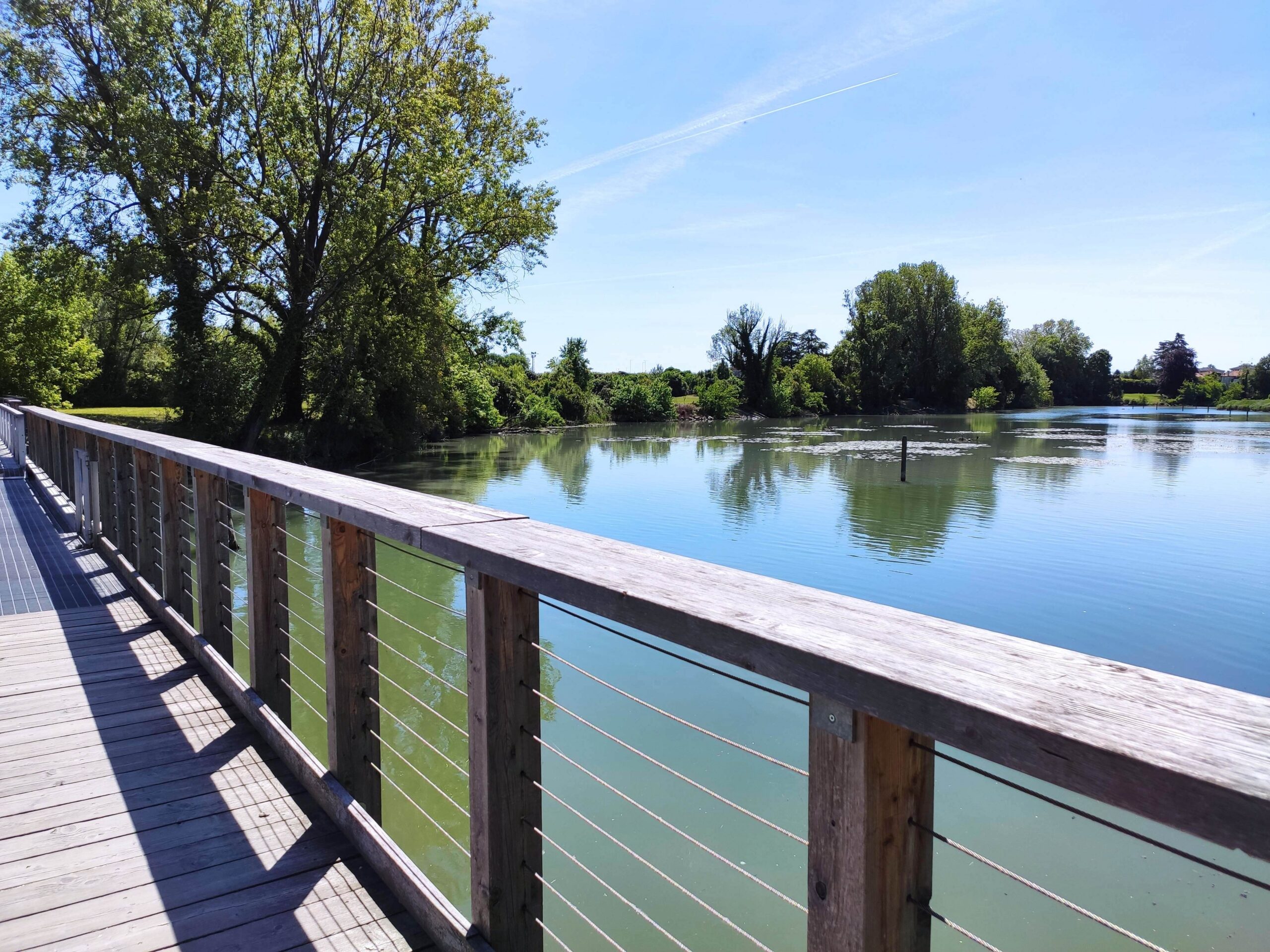
The return of the short break is also tied to a broader shift in how we approach travel. More and more people are choosing to travel less distance, favoring nearby and easily reachable destinations.
This trend reflects both a growing awareness of sustainability and a desire to optimize time and budget. By concentrating the experience into a few days, it becomes easier to be selective, choosing where to stay and what to do with greater care, giving real value to every moment.
At the same time, short trips encourage experimentation: new destinations, new formats, and new ways of staying become more accessible when they don’t require a long-term commitment.
Spring is the ideal season to explore Veneto with this light, dynamic approach. Days grow longer, temperatures become mild, and the region comes alive with colors and events.
In April, art cities like Venice and Treviso are at their best, offering authentic glimpses and atmospheres still far from peak tourist season. It’s also the perfect time to rediscover routes along the Sile River or historic villas set in the countryside.
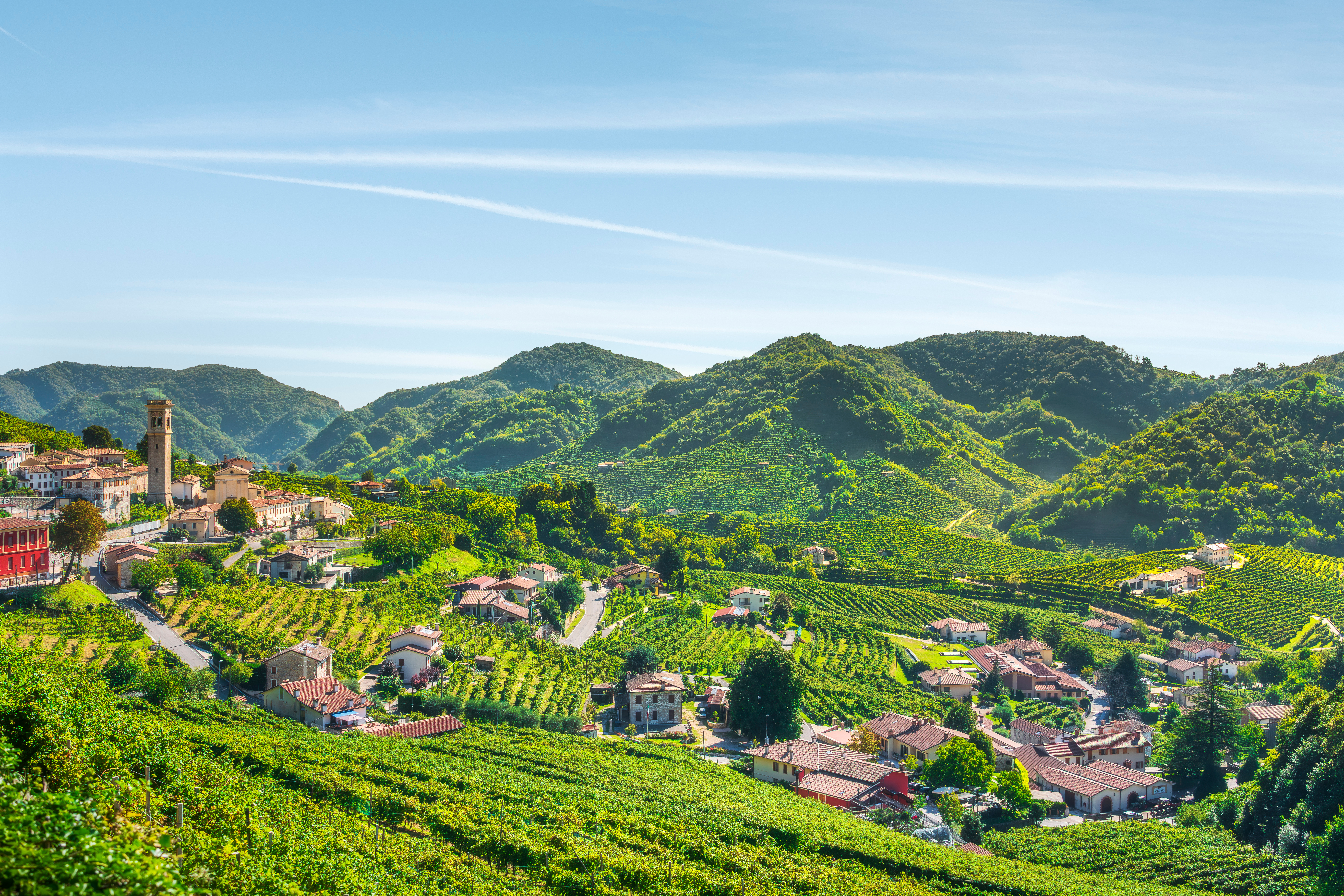
With the May 1st holiday, the focus shifts toward more relaxed experiences: a weekend in a farmhouse, wine tastings in the Prosecco hills, or the first seaside days, when beaches begin to fill with life, in places like Jesolo.
Finally, the June 2nd holiday offers the first true taste of summer. A few extra days allow for a more layered itinerary, blending culture, nature, and wellbeing in perfect balance.

There’s also a psychological aspect that contributes to the success of short breaks. It’s known as the return trip effect: a phenomenon where the journey back feels shorter than the outward trip.
This happens because, once the experience has been lived, the mind relaxes and time seems to move faster. The result is a surprising feeling: having experienced much more than the actual duration of the trip would suggest.
In other words, short travel stretches the perceived value of time, making every moment more intense and memorable.
The success of short breaks reveals something deeper: the need to keep moving, to keep discovering, even through small journeys.
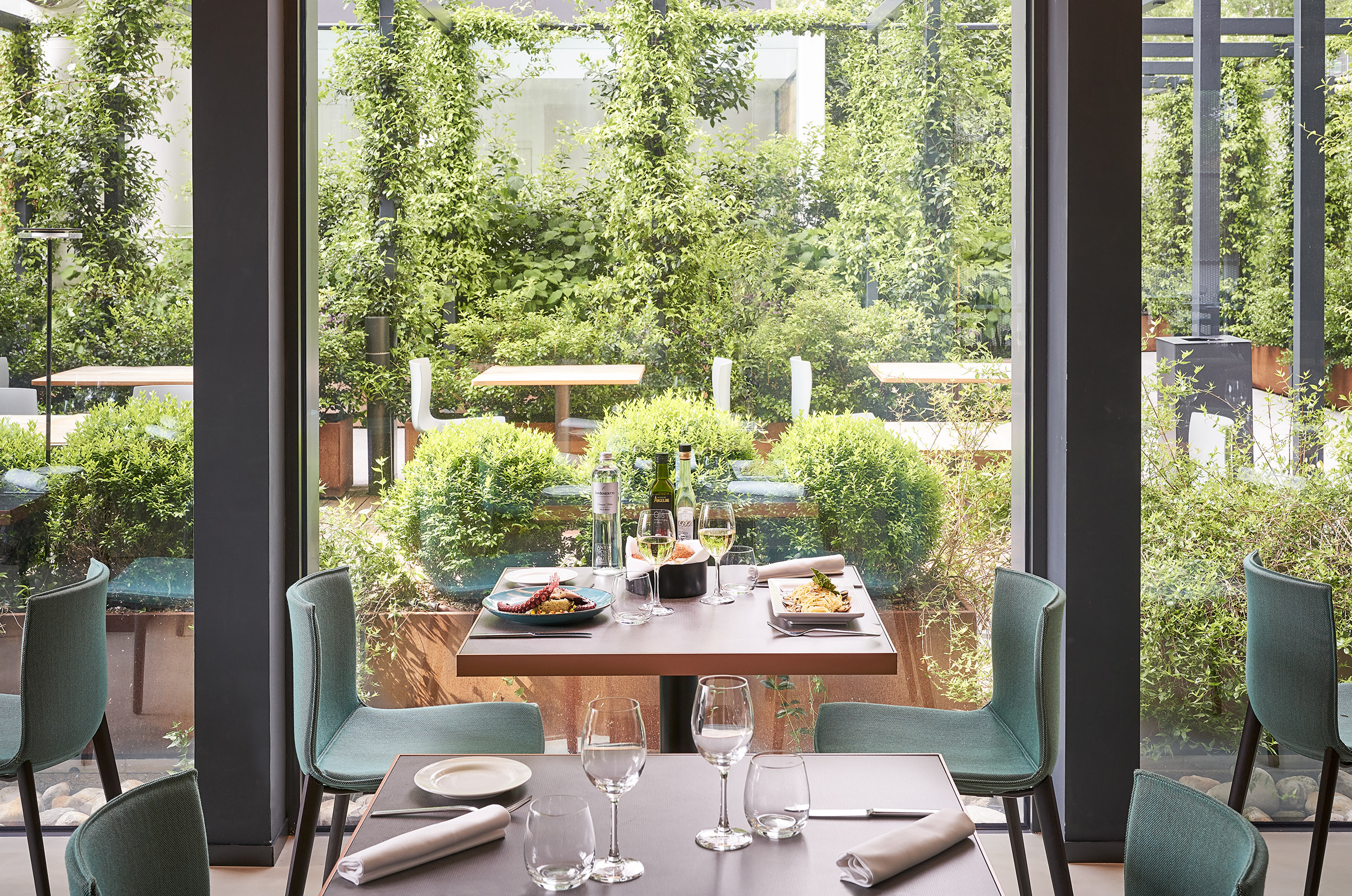
It’s a philosophy that naturally aligns with the experience of staying at Move Hotels Venezia Nord. Choosing a strategic base like Mogliano Veneto means having the freedom to shape your own journey, alternating between cities, nature, and moments of relaxation without constraints.
In this sense, Move Hotels becomes more than just a place to stay: it’s a space designed for those who see travel as continuous movement, driven by curiosity, balance, and new perspectives.
Because today, it’s not the distance that makes the difference, but how we choose to move. Even if it’s just for a few days.