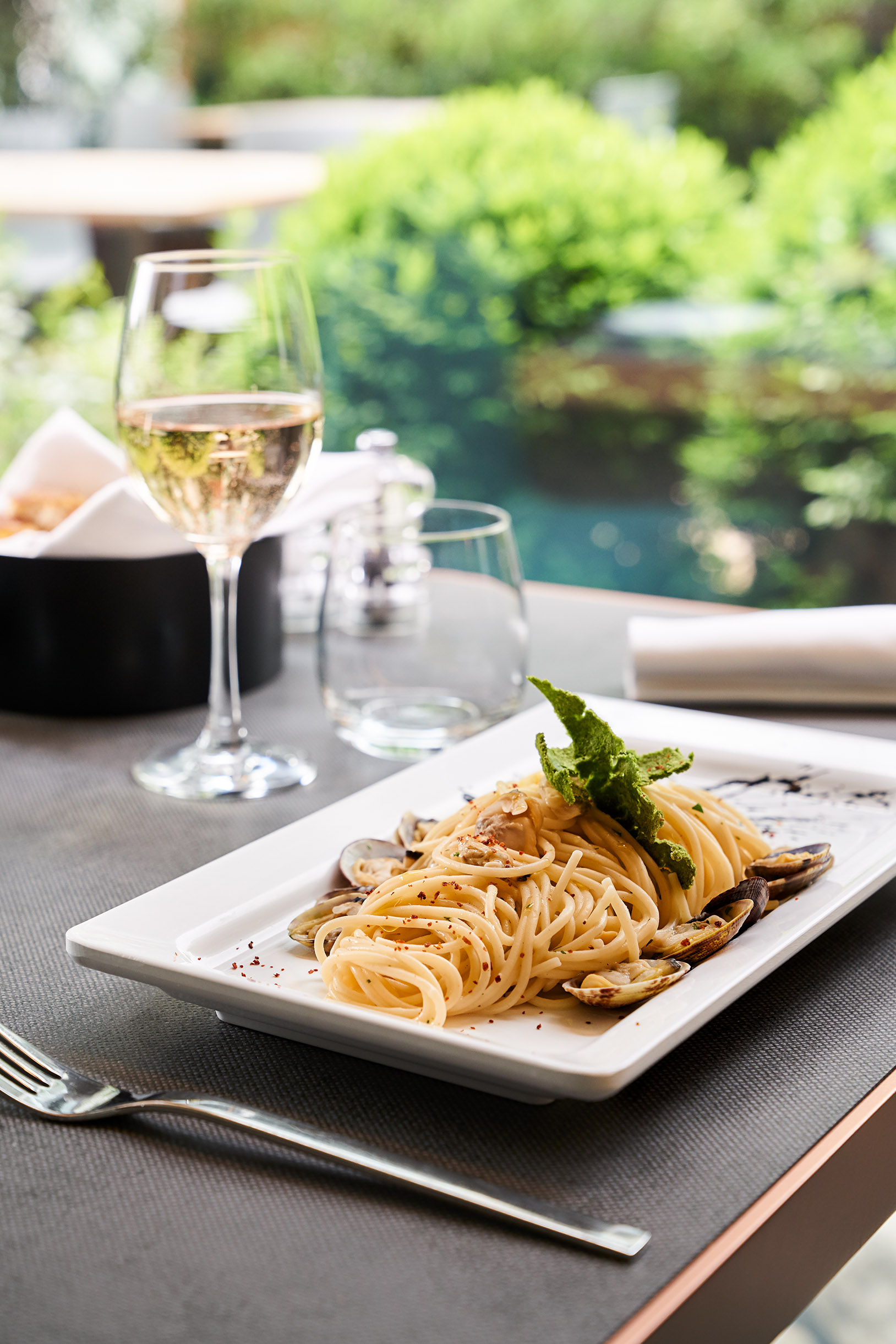
Some summers pass by. Others stay with us, even before we’ve lived them.
The Italian summer belongs to the latter. It’s not just a season to plan, but an image that has always accompanied us: a blend of atmospheres, gestures, emotions, and landscapes we recognize at first glance, even if we’ve never been there.
We’ve seen it in films, in photographs, in advertisements that have shaped entire generations. We’ve imagined it through the stories of those who’ve experienced it: actors, artists, travelers. This is how the myth of the Italian summer was born: not just as a season, but as a shared narrative.
An imaginary built over time, one that continues, year after year, to exert the same fascination.
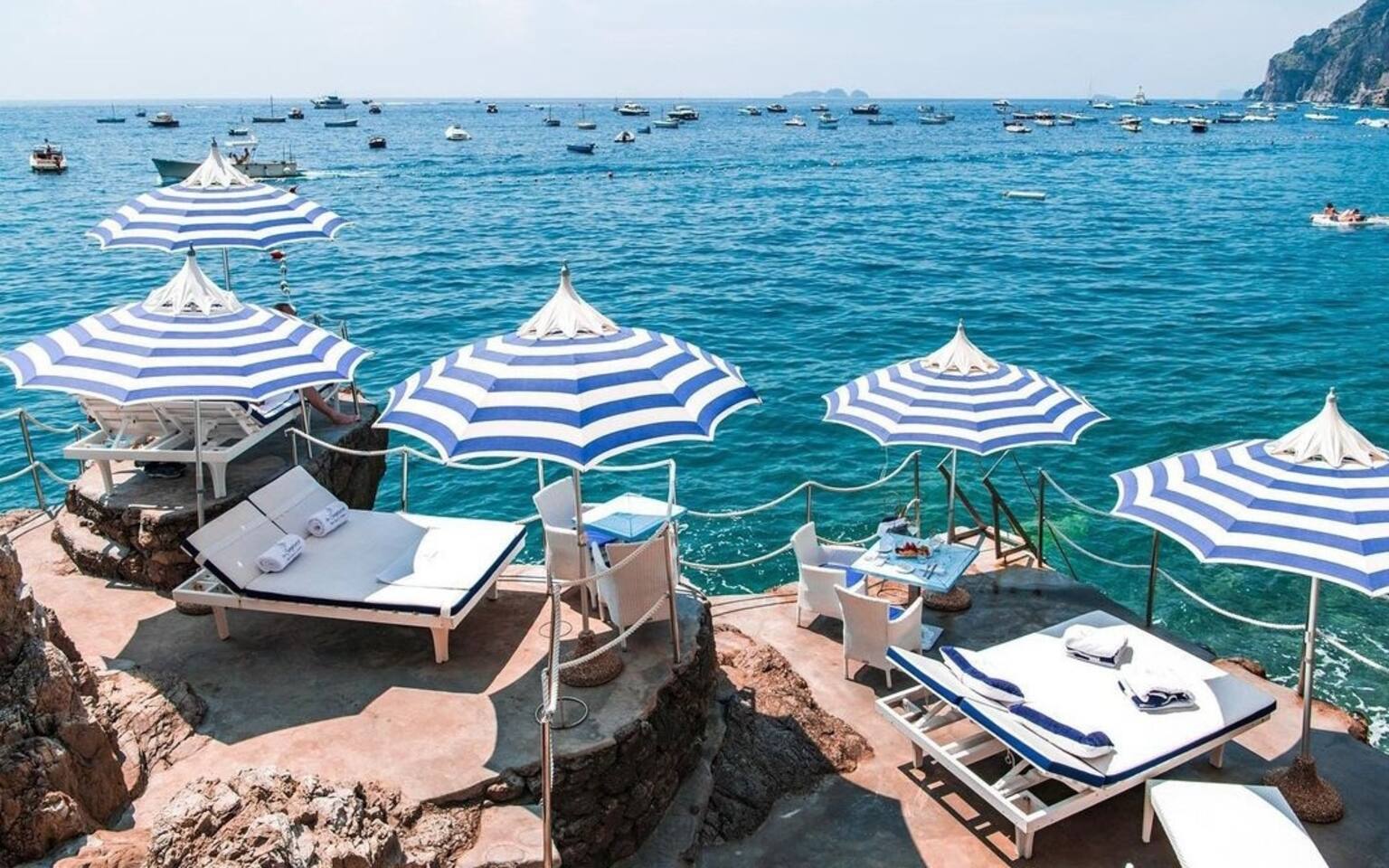
The Italian summer is, first and foremost, an idea, a collection of images and impressions that have settled over time, long before the digital age.
The result of a narrative that spans decades. Cinema, photography, television, and advertising have all contributed to shaping a distinct aesthetic, one defined by effortless elegance, lightness, and authenticity.
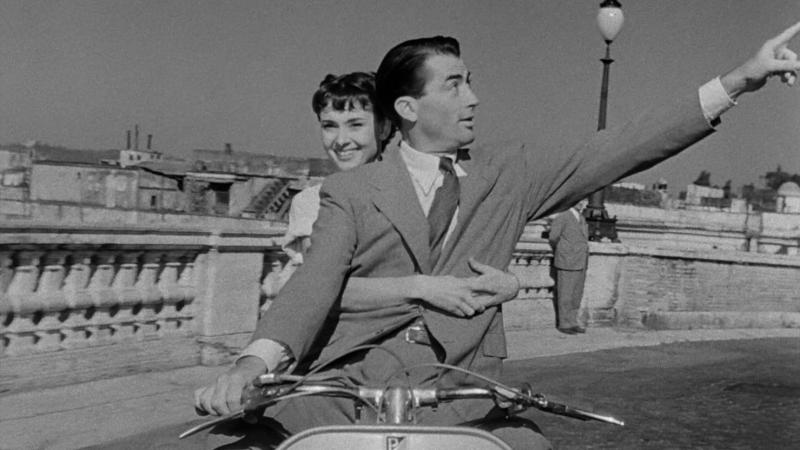
The cinema of the 1950s and 1960s played a decisive role, portraying a country capable of turning everyday life into something extraordinary. La Dolce Vita, lively piazzas, beaches, terraces overlooking the sea, scenes that didn’t just depict places, but a way of living.
And this is precisely what still resonates today. It’s not just about destinations, but shared sensations, an idea of summer that is instantly recognizable and passed on without needing explanation.
If in Italy it’s part of everyday life, abroad the Italian summer takes on the shape of a true dream.
For those arriving from elsewhere, it represents a perfect balance between sophistication and spontaneity. It’s a place where glamour coexists with simplicity, where every detail, from food to landscape, from design to fashion, contributes to an experience perceived as both authentic and refined.
It’s no coincidence that it remains one of the most exported and recognizable images in the world. Seaside terraces, villages overlooking the water, lively piazzas, all help create an idea of holiday that blends beauty with quality of life.
An imaginary continuously nourished today also by social media, yet rooted in a long-standing visual and cultural tradition.
Some Italian destinations have, over time, become true global symbols.
Capri represents the essence of La Dolce Vita, with its Faraglioni rocks and a timeless elegance that transcends eras. The Amalfi Coast, with Positano, Amalfi, and Ravello, continues to embody the most recognizable Mediterranean aesthetic: vibrant colors, dramatic verticality, and views that seem designed to be photographed.
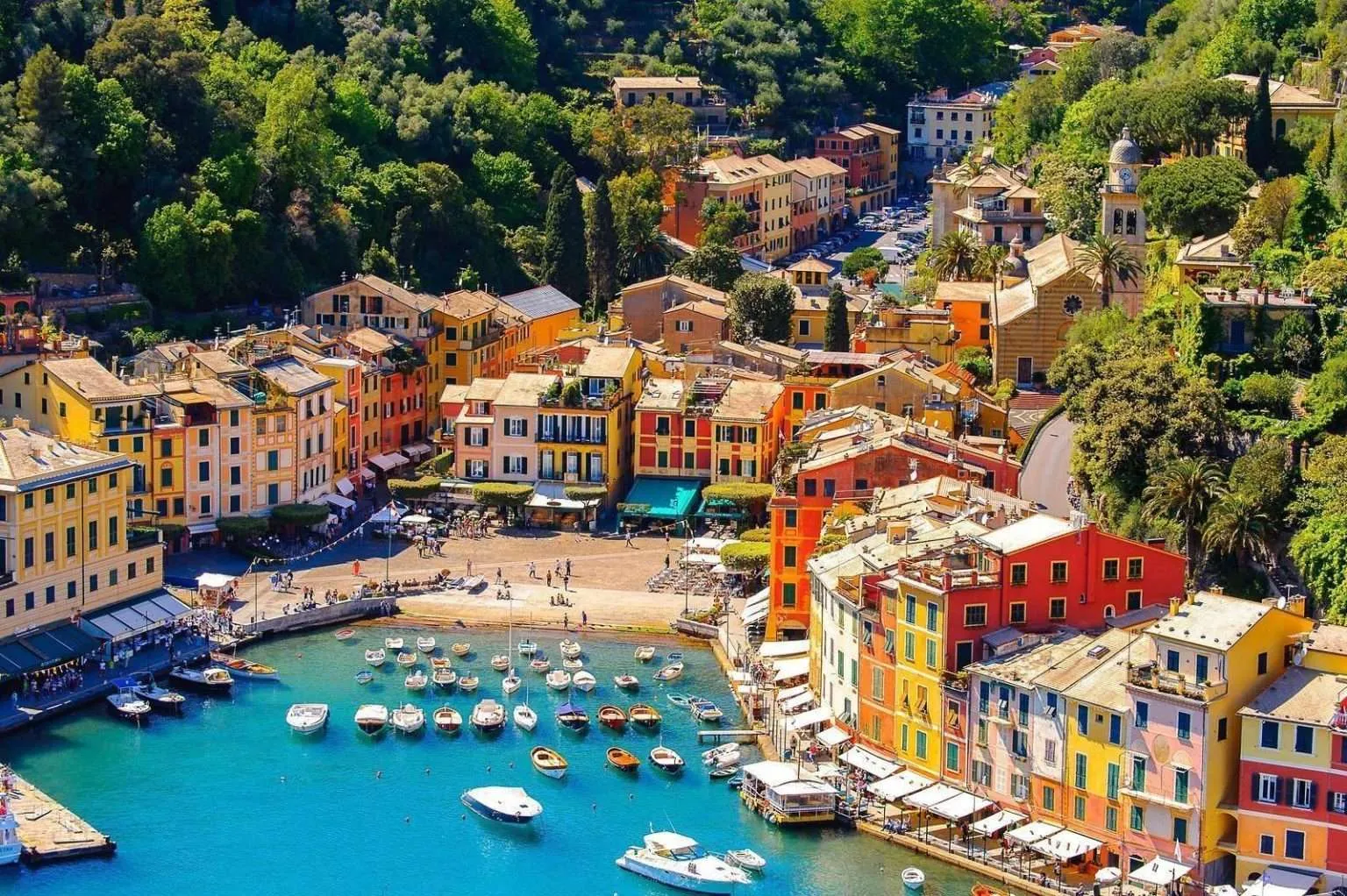
Portofino, on the other hand, conveys a more intimate sense of exclusivity, having built its identity around it. Its houses overlooking the harbor have become synonymous with elegance and international glamour.
More recently, Sicily has regained global prominence through the power of imagery. Taormina, Syracuse, and Noto have returned to center stage, becoming highly desired settings, demonstrating how contemporary storytelling can revive territories already rich in history.
In all these cases, tourism stems from something that goes beyond beauty. It stems from the ability of these places to tell a story.
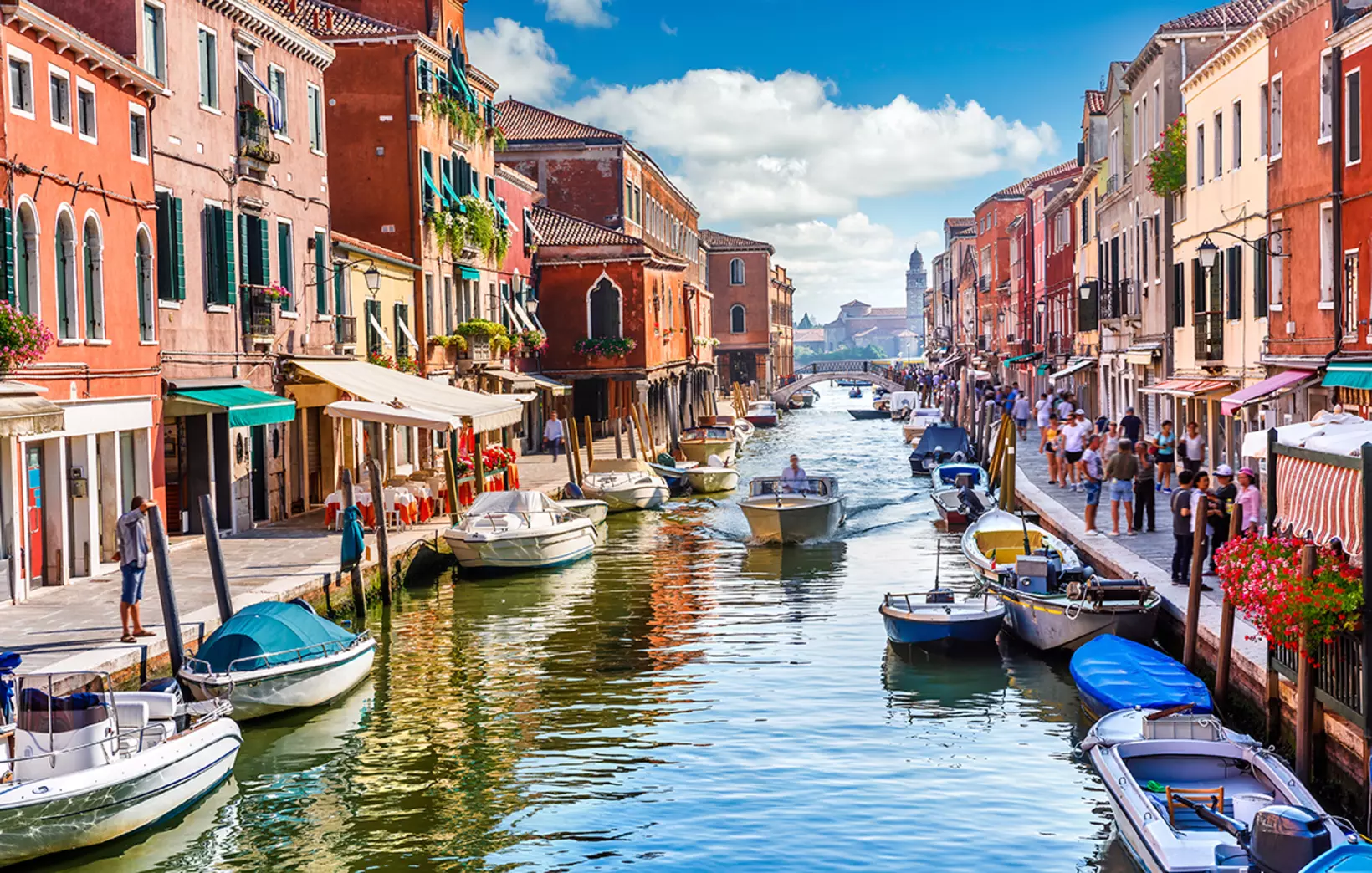
Alongside these bright and glamorous images, there is another dimension of the Italian summer, more intimate, more suspended. And this is where Venice expresses itself with unique sensitivity.
Here, the season takes on softer tones. It moves at a different pace, not only sun and motion, but also silence, reflections, and memory.
It is a summer that evokes auteur cinema, analog film, and nostalgic, amarcord-like atmospheres. An ethereal beauty that reveals itself to those who take the time to observe.
Venice is not simply a destination, it is a feeling. A form of contemporary nostalgia that continues to captivate those seeking a deeper, less immediate experience.
It doesn’t impose itself. It lets itself be discovered.
One of the elements that makes the Italian summer so recognizable is the widespread quality that runs through every experience.
It’s not just about luxury, but about attention to detail: in the food, in the choice of ingredients, in the way it is served; in fashion, in design, in the care given to spaces. In that uniquely Italian ability to turn every everyday gesture into something meaningful.
From an outdoor dinner under the stars to a simple coffee in a historic café, everything contributes to building a coherent, solid, and recognizable experience.
It is a form of elegance that doesn’t need to be declared. It simply exists.
A fundamental part of the Italian summer’s charm lies in its rituals, starting with food, but also how it is experienced.
Local markets, open-air dinners, vineyards, shared tables: it’s not just about gastronomy, but about experience. Food becomes a language through which to connect with the territory.
Added to this is a lifestyle shaped by slower rhythms: a coffee at the bar, an aperitivo at sunset, time dedicated to conversation. The so-called dolce far niente, often translated as “doing nothing,” actually represents a state of presence, a mindful awareness of the moment.
It is this balance between activity and pause that makes the Italian experience so distinctive and desirable.
In recent years, the appeal of the Italian summer has been amplified by a specific phenomenon: nostalgia marketing.
Striped beach umbrellas, seaside resorts, gelato, summer songs, 1960s advertisements, images belonging to a real or imagined past that continue to evoke strong emotions.
Advertising campaigns, films, and music have built a collective visual archive. From cinema classics to contemporary hits, everything contributes to shaping a recognizable aesthetic capable of speaking to different generations.
It’s not just nostalgia, it’s a desire to rediscover balance, simplicity, and a way of living that always feels relevant.
Today, Italy remains one of the most sought-after destinations in the world and not just for its coastline.
Its strength lies in its diversity: within just a few kilometers, you can move from beaches to art cities, from villages to natural landscapes. An offering that combines different experiences into a single journey.
But what continues to make the difference is the narrative, the ability to transform every place into something more than just a destination.
The Italian summer remains a global icon because it is never just a place. It is a collection of sensations, images, and moments that each person interprets in their own way.
It’s not only about choosing where to go, but how to live that time. Whether it’s a seaside terrace, a sunset piazza, or a walk through narrow streets, every experience contributes to building a personal story.
And perhaps that is its true secret: not offering a single version, but endless possibilities.