In Venice, we are used to looking back. At its palaces, workshops, techniques passed down through the centuries, and a legacy of art and craftsmanship that has helped shape the very identity of the city.
From 9 to 18 October 2026, however, Venice invites us to move in the opposite direction too: to look ahead.
With the sixteenth edition of Venice Design Week, calli, campielli, museums, palaces, ateliers, and workshops become part of a city-wide journey through contemporary design. Rather than taking place in a single exhibition venue, the event unfolds across Venice, bringing design into the fabric of the city and inviting visitors to explore it along routes that go beyond the familiar.
Exhibitions and installations alternate with designer talks, conferences, guided tours, and workshops. And as the conversation moves between lighting, interiors, materials, jewelry, and new ways of living, another side of Venice emerges: not simply the guardian of an extraordinary heritage, but a place where the future continues to be designed.
Venice Design Week was founded in 2010 with a clear purpose: to create new connections between design, arts, and crafts, bringing contemporary designers and companies into dialogue with a city whose centuries-old history is deeply connected to the production and exchange of objects, materials, and ideas.
Venice, after all, seems almost built around this principle.
For centuries, it was a crossroads between East and West, a place where goods and different cultures met before continuing their journey across Europe. Glass, textiles, decorative techniques, and applied arts transformed craftsmanship and know-how into some of the most recognizable elements of Venetian identity.
Today, Design Week takes that same vocation and brings it into the present. The exchange is no longer simply between merchants and artisans, but involves emerging and established designers, companies, universities, workshops, cultural institutions, and an international audience.
Its structure also reflects the city that hosts it: VDW is not confined to an exhibition center, but unfolds throughout Venice. Following it means crossing bridges, stepping inside palaces, visiting museums, and discovering ateliers and spaces that might otherwise remain outside the usual itinerary.
The city, then, is not simply the backdrop to the event. It becomes part of the project itself.
Each edition of Venice Design Week begins with a theme. For 2026, that theme is “100”, built around four concepts: responsibility, precision, respect, and slowness.
The number does not simply represent the completeness of a project. Instead, it becomes a way of looking at it.
Designers are asked to make the elements behind the final result visible through a percentage-based map: materials, processes, research, impact, function, and other components can all be traced back to an overall balance. There is no ideal formula to follow; what matters is making transparent what would normally remain hidden behind the object itself.
It is an interesting shift in perspective, because it moves the focus away from aesthetics and towards the design process. A product does not appear out of nowhere: it is shaped by chosen materials, resources, expertise, technologies, people, and decisions.
And Venice makes this reflection even more meaningful. In a city where fragility, preservation, and innovation must necessarily coexist, designing inevitably means questioning the impact of every choice.
This plurality is at the heart of the 2026 program.
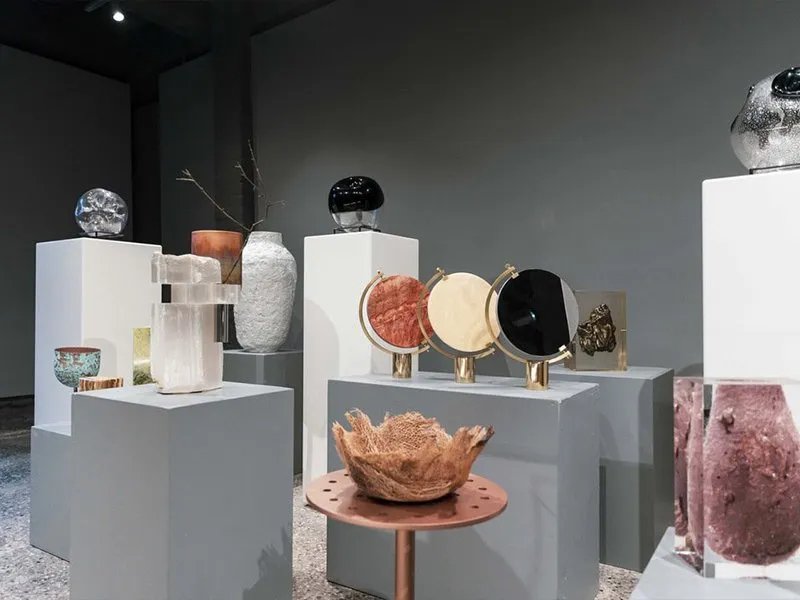
At Palazzo Nani, the VDW Light Selection brings together international projects dedicated to contemporary lighting. Light is explored not only for its function, but as a design material capable of transforming the perception and atmosphere of a space. Materials, techniques, and research become part of an itinerary that also includes meetings with designers and guided tours throughout the event.
At Combo Venezia, meanwhile, Interior Design – Home Accessories turns its attention to the spaces we inhabit. International designers and emerging brands present furniture and accessories exploring materials, function, durability, and sustainability, while questioning how the relationship between people and domestic spaces might evolve.
The journey continues at Ca’ Pesaro, where Geografie della Tavola brings contemporary European and Asian design into dialogue. Here, even the table becomes a meeting point between cultures: forms, ceramics, and materials reveal different ways of interpreting an everyday gesture such as sharing a meal.
And then there is jewelry, approached not simply as ornament, but as a language in its own right. At Fondazione Querini Stampalia, I DON’T SHINE, I HAVE SOMETHING TO SAY brings together international designers who use rings, necklaces, and brooches to give shape to personal stories, social issues, and reflections on the very meaning of what we consider precious.
Four very different fields, connected by the same question: how much can an object tell us when we begin to look beyond its form and consider everything behind it?
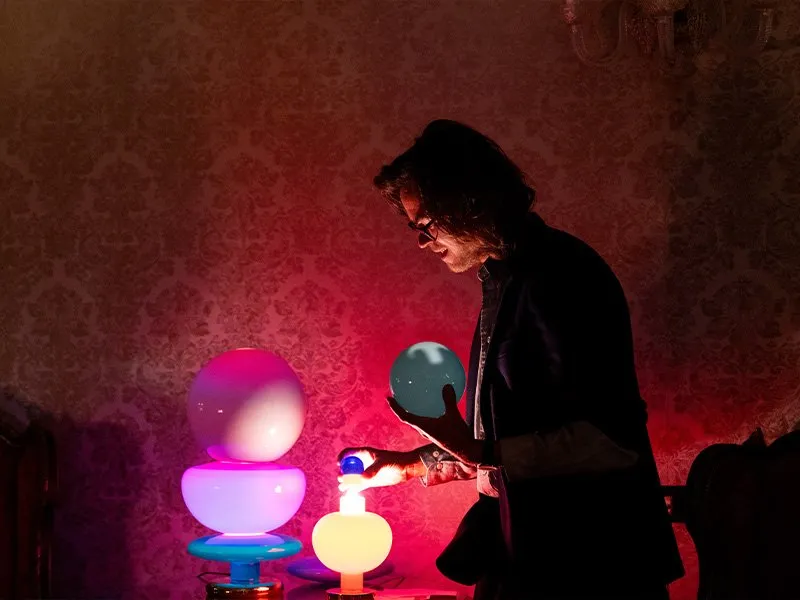
One of the most interesting aspects of Venice Design Week is that visitors are not simply asked to observe.
The 2026 program creates numerous opportunities to step inside the creative process and meet the people behind it. Guided tours take visitors through the main exhibitions, but also open the doors to very different places and collections: the Historical Archive of the Academy of Fine Arts, the island of San Servolo, and Le Stanze del Vetro on San Giorgio Maggiore, where on 18 October a special itinerary dedicated to the period from 1948 to 1958 will explore the relationship between Murano glass, contemporary experimentation, and the Venice Biennale.
On 17 October, a four-hour urban trek turns Venice itself into an exhibition route. Starting from Combo, the itinerary connects exhibitions and Design Week projects before reaching Palazzo Nani. It is an experience particularly in tune with the spirit of the event: discovering the city on foot and allowing its spaces to shape the narrative along the way.
There is room for making and experimentation too. In Mestre, FabLab Venezia workshops explore parametric exhibition systems and contemporary interpretations of Made in Italy, while the program of talks opens up conversations on subjects ranging from the meaning of color and the role of light to the relationship between design quality, sensory perception, and well-being in the home.
Design Week thus becomes something to see, but also to listen to, move through, and experience.
There is also a broader idea running through the entire event.
A city with a heritage as extraordinary as Venice’s can easily be portrayed only through what has already been. And yet Venice’s own history suggests the opposite: its identity has always been shaped by cultural exchange, craftsmanship, international trade, and the transformation of materials.
Venice Design Week brings this dimension back to the forefront.
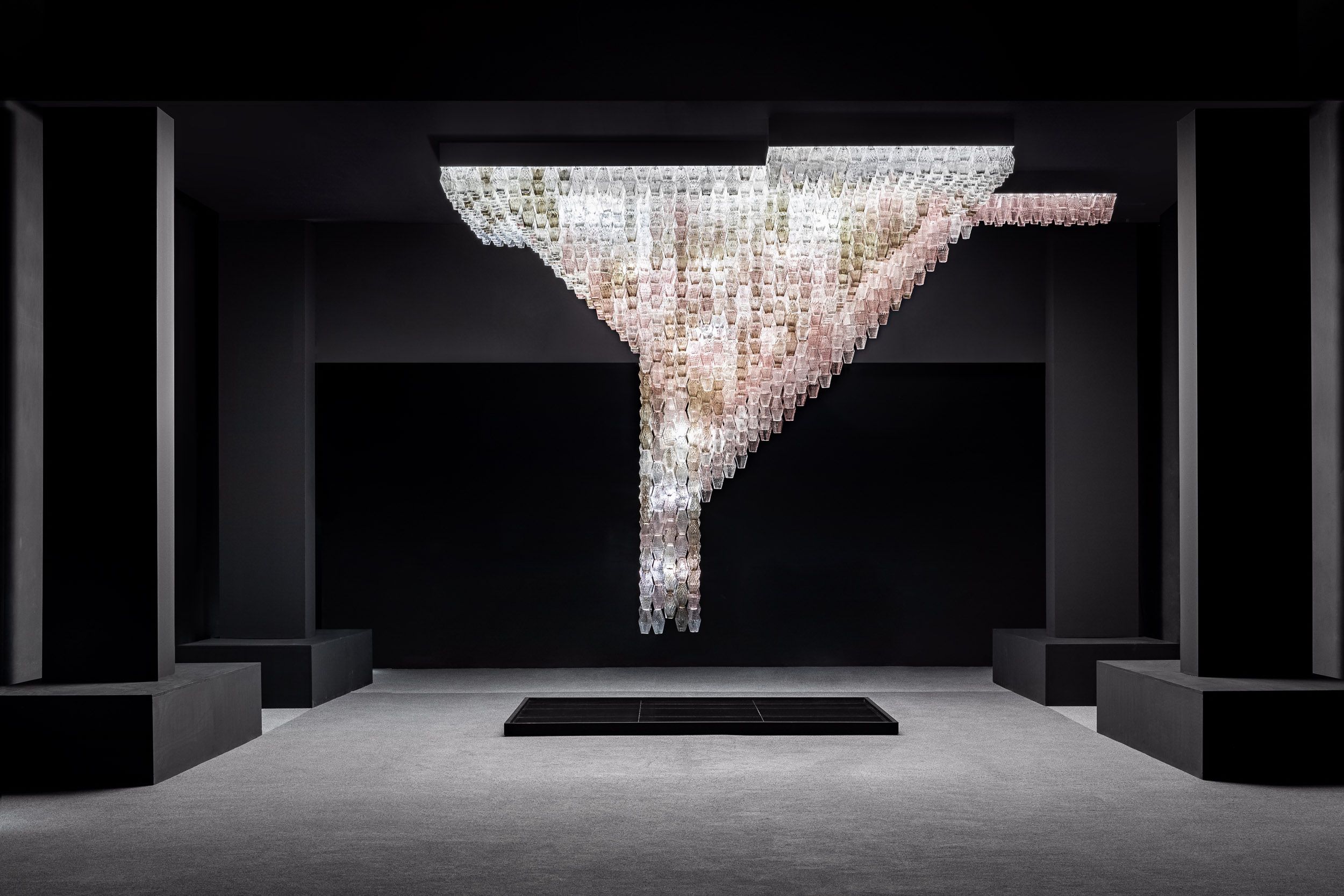
Traditional workshops meet digital design, glass enters into dialogue with new technologies, historic palaces welcome contemporary objects, and designers from different countries once again turn Venice into a place for exchange and conversation.
In this sense, design becomes an especially powerful way of bringing memory and possibility together: not erasing what already exists, but using it as a starting point to imagine what does not exist yet.
From 9 to 18 October 2026, then, it is worth stepping away from Venice’s most familiar itineraries for at least a few hours and following the Design Week map instead. The main exhibitions are spread across different areas of the city, while the program includes events requiring advance booking, guided tours, workshops, and meetings with designers. Planning your stops ahead of time makes it easier to shape the day around your own interests.
For guests staying at Move Hotels Venezia Nord, the event offers an opportunity to add a different perspective to a visit to Venice: reaching the city and exploring it not only through monuments and iconic landmarks, but through ideas, projects, and creative spaces.
And there is something about the philosophy behind this edition that feels particularly close to us. Innovation does not necessarily mean moving faster, but continuing to move with purpose and awareness, questioning the direction we take, the choices we make, and the impact they create.
That, too, is a way to Stay in Motion.