Working while traveling is no longer an exception, it has become, for many, a new way of experiencing time and space.
In recent years, the concept of work has undergone a profound transformation, paving the way for more flexible and dynamic models. Among these, workation has emerged as one of the most compelling trends: a way of combining productivity and exploration, routine and change.
But how sustainable is this balance, really? And above all: can Veneto be an ideal destination for those who choose to work while traveling?
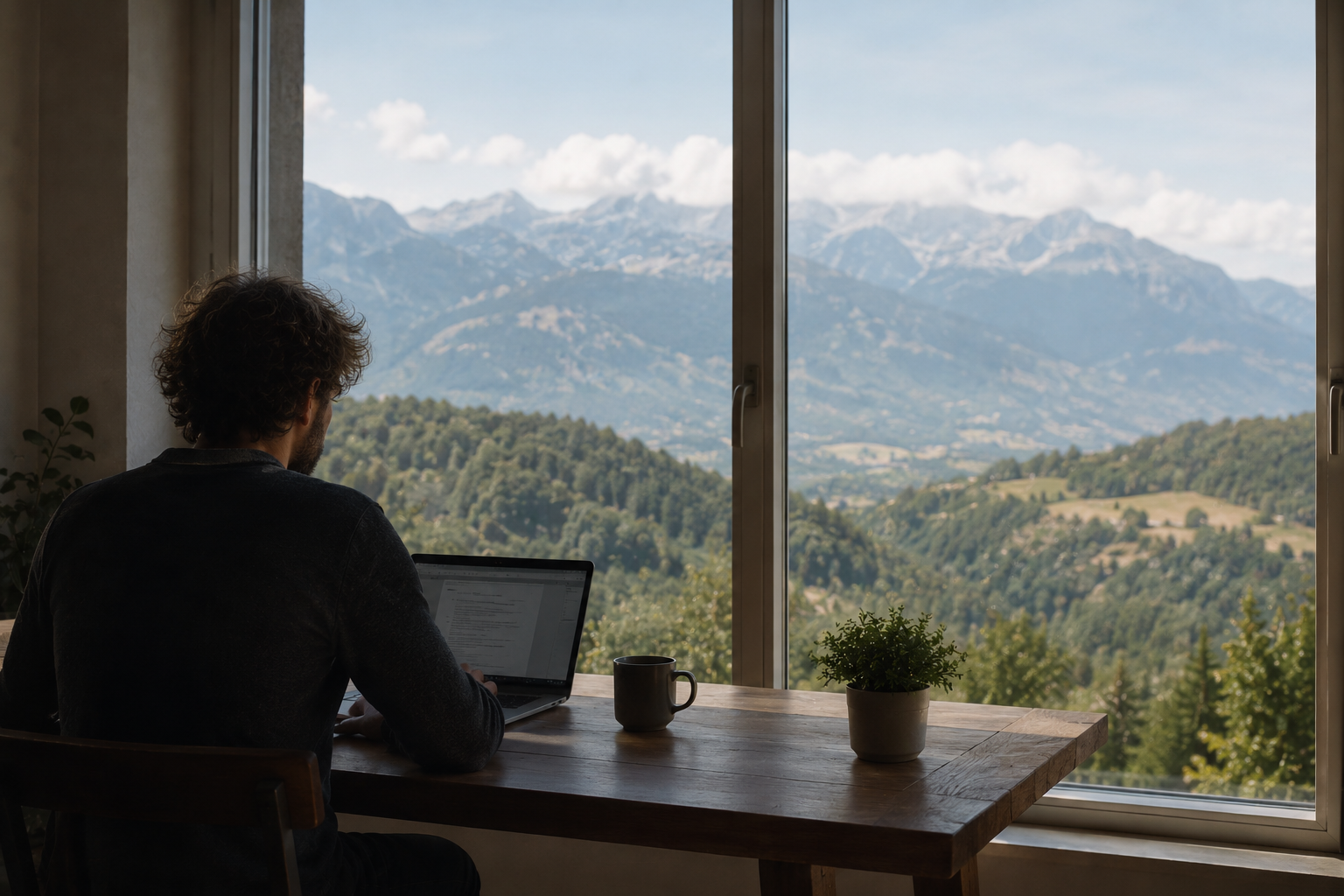
The word itself says it all: workation comes from the fusion of work and vacation. It’s not simply about working remotely, but doing so from a place we typically associate with leisure.
It’s an evolution of smart working, shifting the focus from efficiency to quality of life. No longer just home or a flexible office, but destinations that offer inspiration, beauty, and well-being.
While smart working allows people to work from anywhere, usually from familiar or frequently visited environments, workation adds an experiential layer. It’s not just about location, but about context.
It means starting the day with a call and ending it with a walk through a historic center, alternating moments of focus with restorative breaks, turning free time into an integral part of the working experience.
At its core, there is a clear pursuit: balance.
The need to reconcile work and personal life has become central, especially for younger generations. Working in a pleasant environment reduces stress, boosts motivation, and often improves productivity.
Changing scenery stimulates creativity and helps maintain focus, but it also requires discipline, organization, and the ability to set clear boundaries between work and leisure.
For it to be effective, a workation must be carefully planned. A stable connection, suitable workspaces, comfort, and services become essential elements.
It’s not enough to choose a beautiful destination, you need a setting that allows you to work seamlessly, maintaining continuity with your professional activities.
If workation represents a different way of working, digital nomadism is its most radical evolution.
Digital nomads are professionals who work entirely remotely and choose to move continuously, living in different places throughout the year. They have no fixed base: work becomes the tool that makes movement possible.
Unlike those who work remotely only occasionally, digital nomads build their lifestyle around mobility.
But this freedom requires strong organizational skills. Managing time, spaces, and professional relationships becomes an integral part of everyday life.
Beauty alone is not enough. For those who work while traveling, practical elements matter most: reliable connectivity, accessible services, ease of transportation, safety, and quality of life.
Alongside these, the importance of welcoming workspaces, active communities, and opportunities for social interaction continues to grow, because working remotely doesn’t mean working alone.
Within this context, Veneto emerges as one of the most interesting regions.
Not only for its beauty, but for its ability to offer a wide variety of experiences within a relatively small area.
In less than an hour, you can move from an art city to a completely different natural landscape.
Treviso, Padua, Verona, and Vicenza offer dynamic urban centers, with services, culture, and a more accessible cost of living compared to other major Italian cities.
Venice, with its uniqueness, offers a more intense and inspiring experience, ideal for shorter but meaningful work stays.
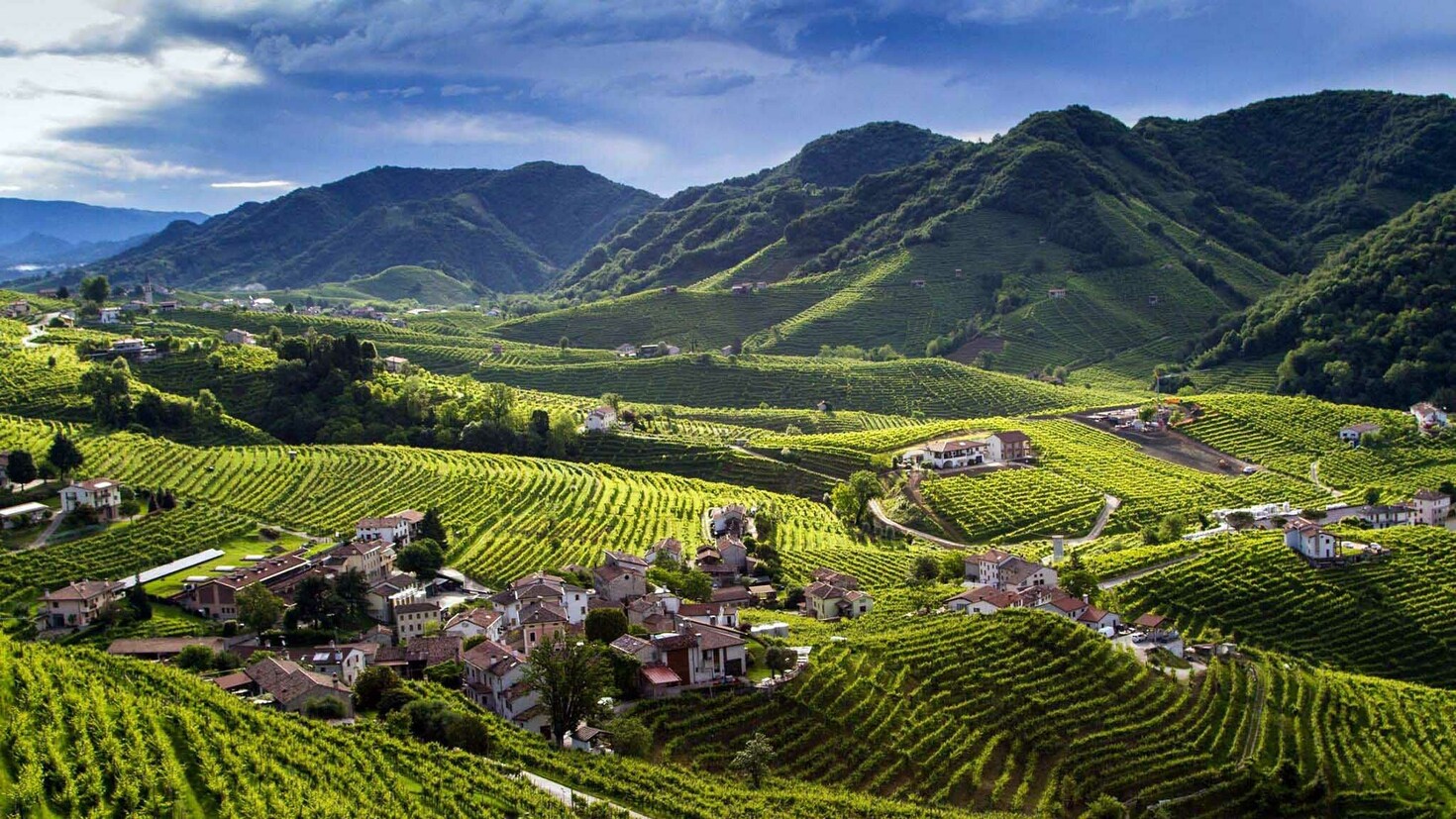
Meanwhile, the Dolomites and the Prosecco hills provide perfect settings for those seeking focus and a closer connection with nature.
From a practical standpoint, Veneto is a solid choice.
Internet coverage is widespread and reliable, especially in major urban centers.
In terms of infrastructure, the region is an exceptional logistical hub: major highways (A4 and A27) and an efficient high-speed rail network make it easy to travel to Milan, Bologna, Austria, or Venice Marco Polo International Airport.
A concrete advantage for those who need to stay connected, not just digitally.
In recent years, hotels have once again become an increasingly appealing option for remote workers.
Compared to improvised solutions, they offer predictable standards, comfort, and services designed to simplify the experience.
Well-equipped workspaces, stable connections, ongoing assistance, and seamless management become key elements. It’s not just about accommodation, it’s about the quality of time.
In this context, Move Hotels Venezia Nord fits naturally.
Its strategic location allows quick access to Venice, Treviso, and the region’s main routes, while offering a functional and contemporary environment.
Designed to blend business and leisure, it represents a point of balance between work and exploration, a place where the day can alternate between focus and movement, maintaining continuity between the two.
Internationally, Italy continues to be one of the most sought-after destinations for remote workers.
The reason is simple: it combines elements that are rarely found together, quality of life, culture, gastronomy, landscapes, and a more human pace.
For many remote workers, it’s not just about working from a different place, but about living a richer experience: attending local events, discovering traditions, connecting with the territory.
It’s this blend that makes Italy so competitive, the ability to turn every stay into something more than just a temporary base.
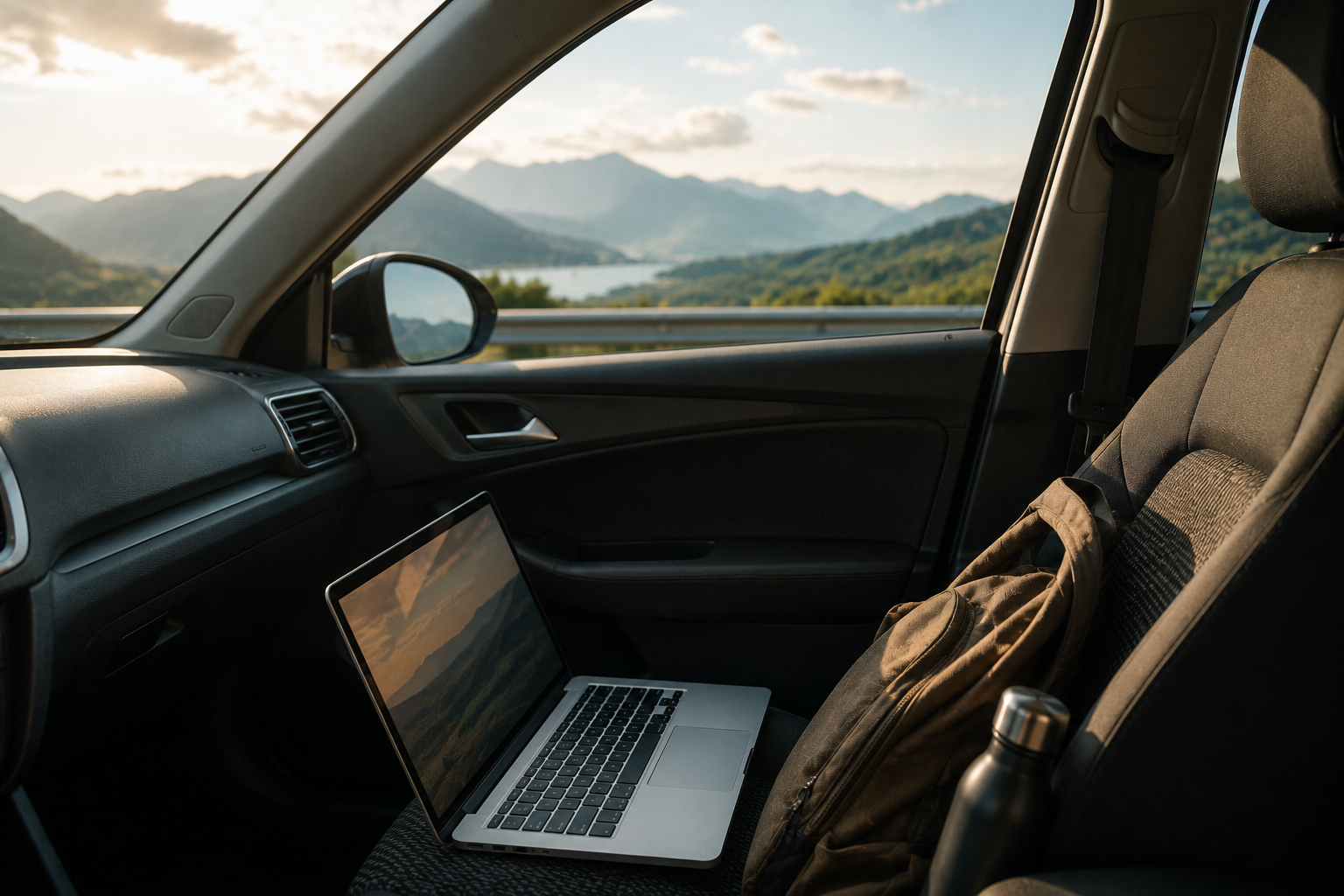
Workation is not a one-size-fits-all solution, but it is undoubtedly a concrete response to a contemporary need: to work better by living better.
With its diversity and reliability, Veneto proves to be a destination capable of supporting this balance, not only for those seeking a different kind of break, but also for those who have chosen movement as a lifestyle.
Because today, more than ever, work is no longer tied to a place.
But the place can make all the difference.